Crochet tools for thoughtful makers
A good project
starts with
a little planning.
Less guessing at yarn. Fewer surprises at the last row. Work out the numbers, then make it your own.
Open the blanket plannerFree to use · No sign-up · Calculations stay in your browser
Change the colours. Compare the arrangement.
Coastal · Diagonal · A: 8, B: 8, C: 8 squares.
Letters identify colours. Layout only: yarn quantities depend on your swatch. Set your own size and colours ↗
Choose your starting point
What is on your table?
I have yarn to use up.
Measure a sample, set aside finishing yarn and find a length that fits your supply.
Start with my yarn ↗I want to plan a blanket.
Check the outside size, arrange square motifs and carry the colour counts into a budget.
Build a layout ↗My fabric looks different.
Separate a counting discrepancy from a gauge or finishing change before undoing work.
Choose the next check ↗I need a useful sample.
Learn which area to measure, what to weigh and which numbers belong together.
Measure before calculating ↗Try one connected example
From 35 squares to a colour budget.
An invented teaching case, with 14 cm squares, 0.4 cm joins and a 2 cm border. These are example measurements, not a tested pattern or measurements of your yarn.
- See the layout
Five squares across, seven down. Alternating rows of A, B and C use 15, 10 and 10 motifs.
Load the layout example ↗ - Allocate the materials
The exercise assigns 18 g per motif and 155.9 g of joins and border to C. Each colour gets its own purchase calculation.
Load the matching budget ↗ - Check the shopping list
A 12% example allowance and 100 g balls give 4 A, 3 B and 4 C. Existing stock can change that purchase.
Follow the component calculations ↗
For your own design, use “Budget yarn for these colour counts” inside the layout tool. It transfers counts only and clears example consumption weights so you can enter your measurements.
Planning lab
Turn a constraint into a plan.
Plan a granny-square blanket that must fit a size limit
Compare nearest-size and maximum-size layouts, see how border changes affect both sides, and leave room for real measurement variation.
Work through the case ↗Case 02Budget yarn by colour: why a total can leave you short
Count a 35-motif row layout, allocate joining and border yarn, and see why rounding the pooled total can underbuy individual colours.
Work through the case ↗Case 03How large a rectangle can you make with the yarn you have?
Work backwards from a fixed yarn supply, reserve yarn for other components and round the length down to a complete row repeat.
Work through the case ↗See the idea. Understand the numbers.
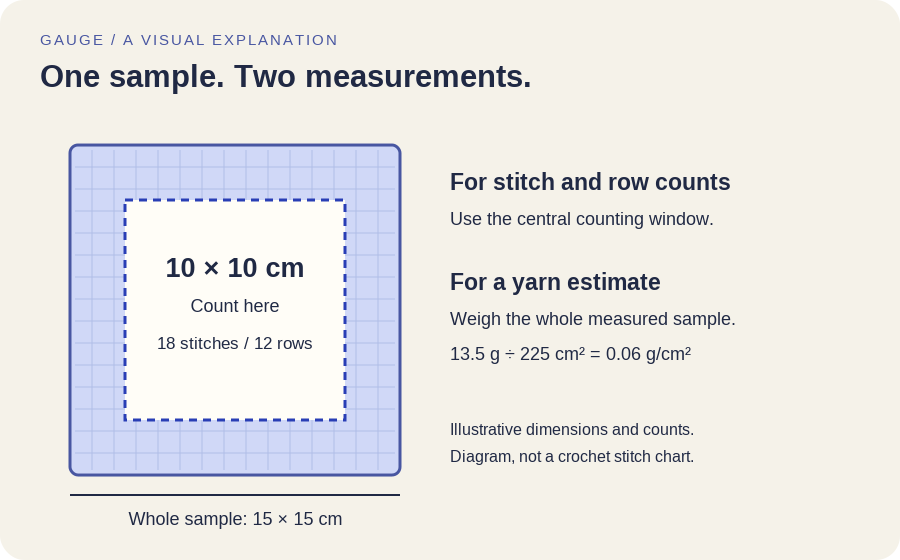
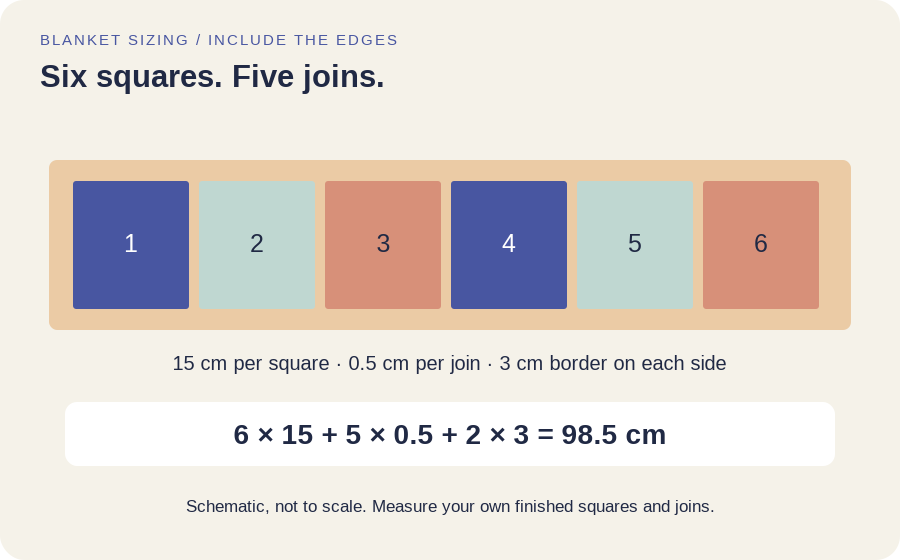
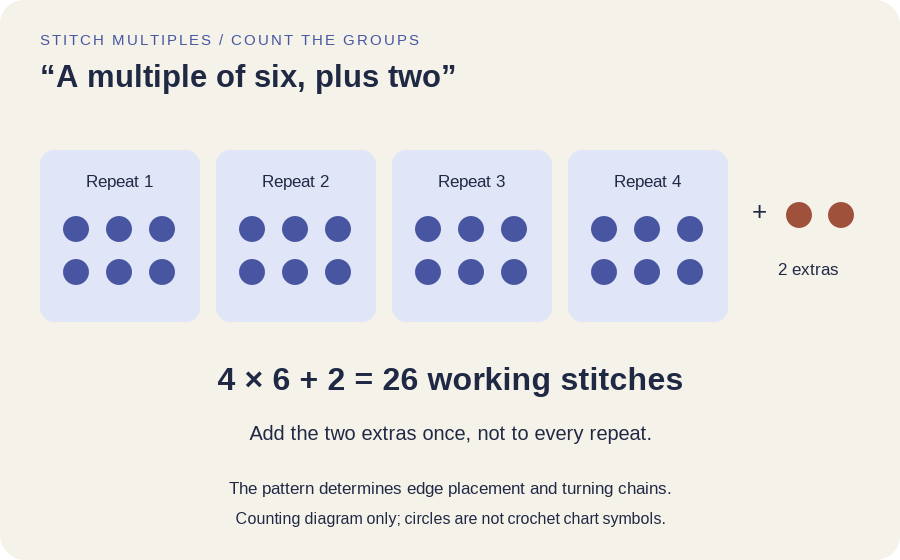
Three small diagrams.
Three useful decisions.
Start with the picture, then follow the worked example.
Your making toolkit
Start with the question.
Blanket planner
Choose a size, arrange your colours and see how many squares you need.
02 / Yarn & materialsYarn calculator
Estimate yarn and whole balls from a swatch you have actually made.
03 / Gauge & sizingStitch calculator
Turn a washed swatch into stitch and row counts for your next rectangle.
04 / Quick referenceCrochet converter
Check common hook sizes, US/UK stitch terms and length conversions.
05 / Yarn by colourColour yarn budget
Build a separate purchase list for each shade, accounting for usable stock.
06 / Use your stashFixed yarn planner
Find a main-fabric length that fits your supply and a complete row repeat.
08 / Compare purchasesYarn purchase comparison
Compare whole-ball quantities and delivered costs for two yarn labels.
07 / Find the mismatchCrochet problem checker
Choose an observation and find the next count or measurement to check.
Measure once. Understand why.
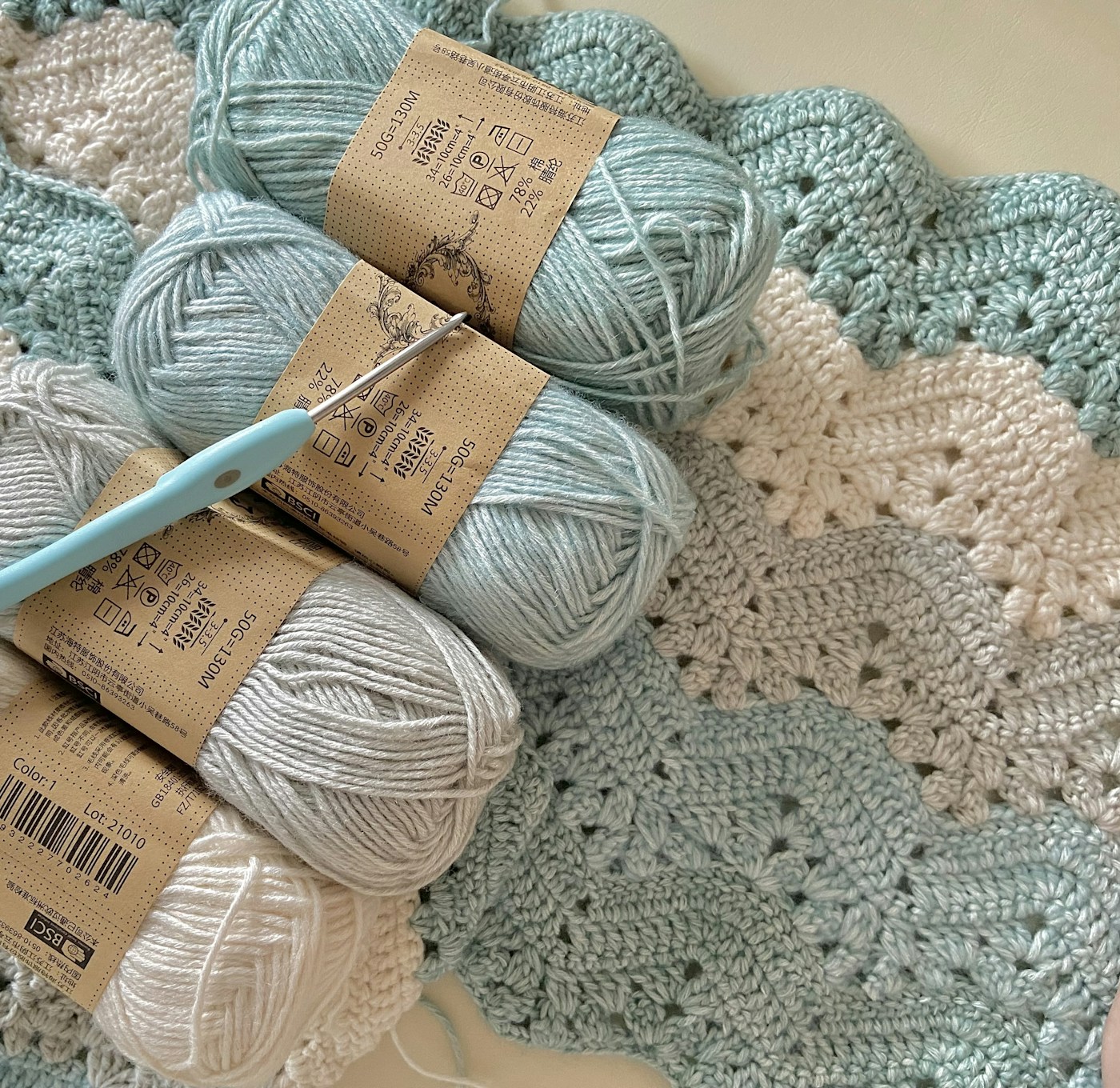
The swatch is small.
The difference isn't.
Two makers can use the same hook and yarn and end up with different sizes. A washed, measured swatch gives you a starting point that belongs to your hands.
Learn how to measure your gauge ↗From first stitch to finished piece
A project you can picture.
A plan you can follow.
Choose a manageable first project, learn to read its instructions and work out how the pieces fit together. Our field notes connect the materials on your table with the decisions ahead.
Find a good starting point ↗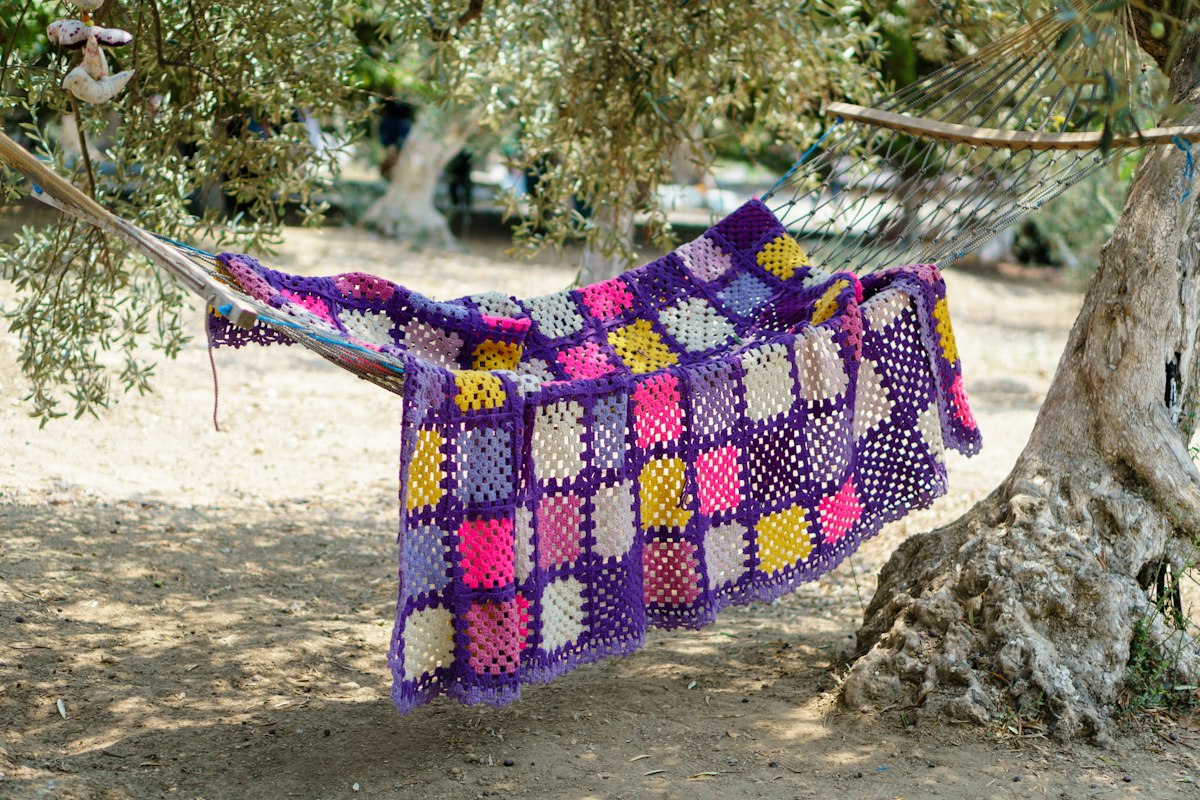
Field notes
Useful answers, thoughtfully explained.
Getting started
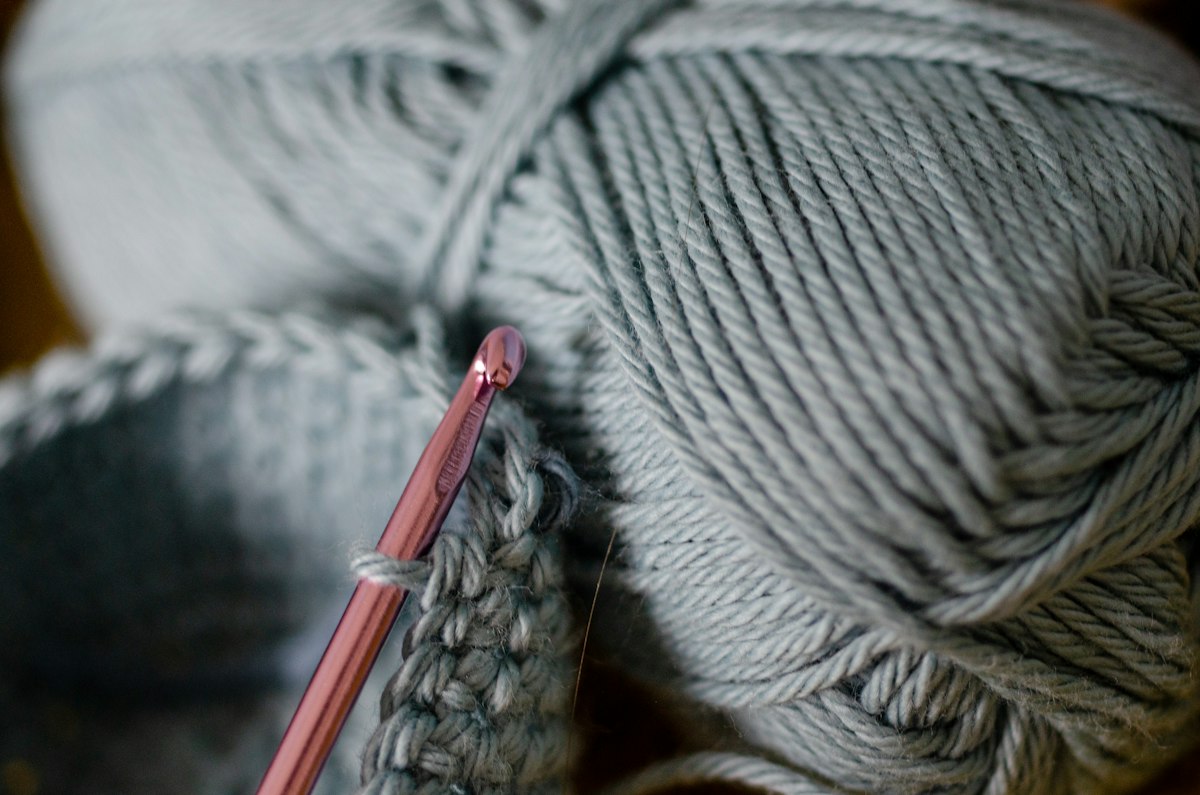
How to choose a crochet hook size for your project
Use metric size, a small comparison swatch and fabric feel to choose a hook without relying on the label alone.
Read the field note ↗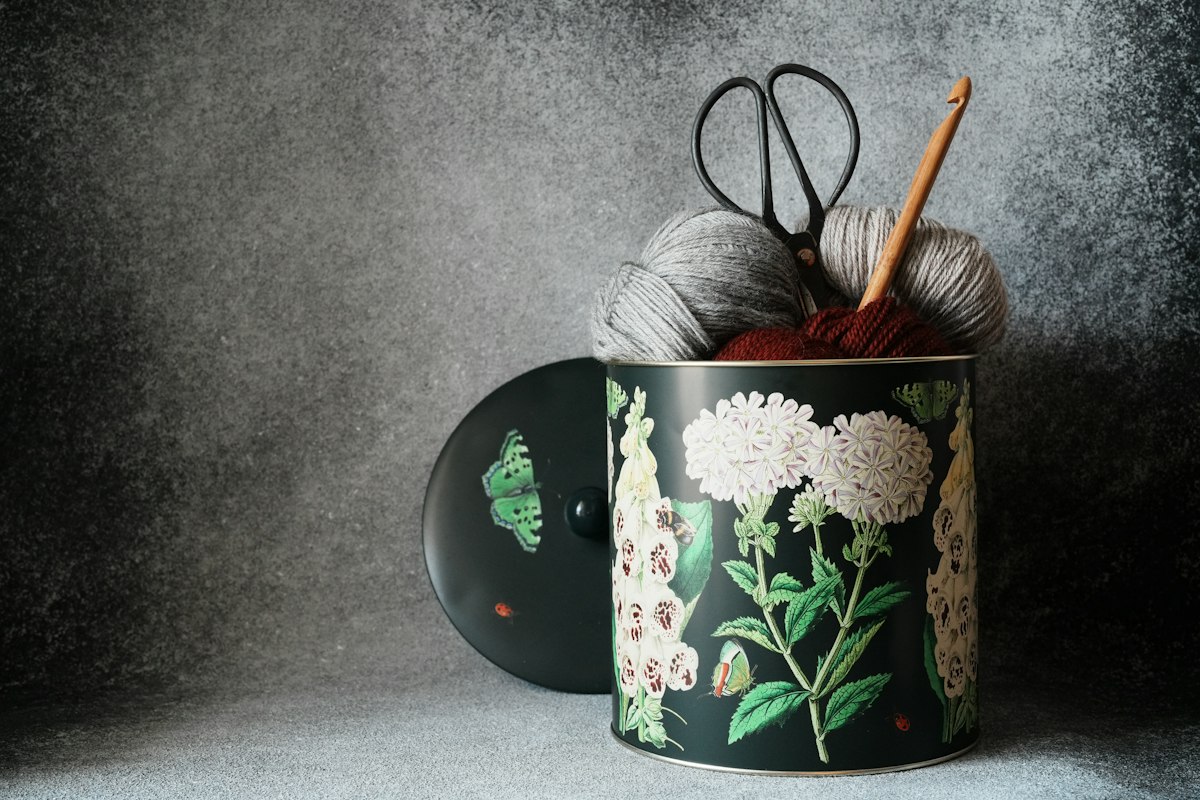
Yarn & materials
How much yarn do you need for a crochet blanket?
Use the area and weight of a real swatch to estimate blanket yarn, then account for joins, borders and whole balls.
Read the field note ↗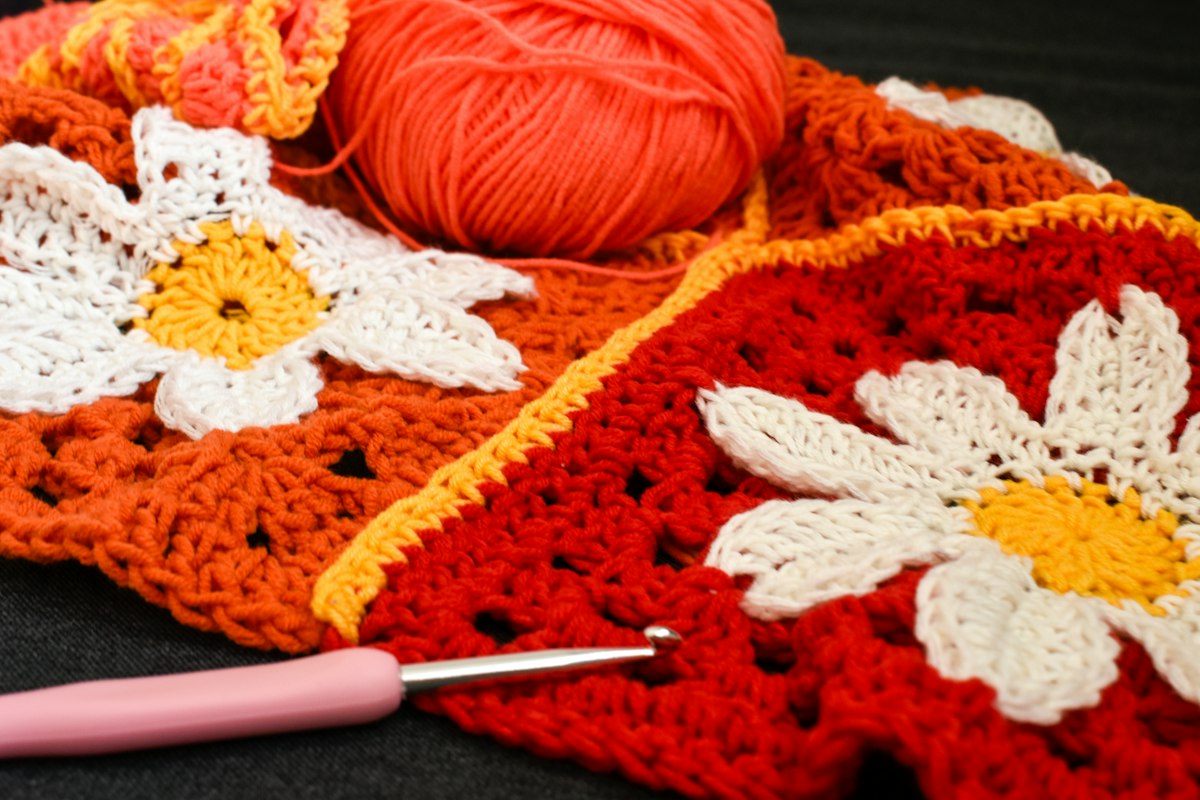
Layout & colour
How many granny squares make a blanket?
Calculate rows and columns from finished square size, with worked examples for joins and borders.
Read the field note ↗